
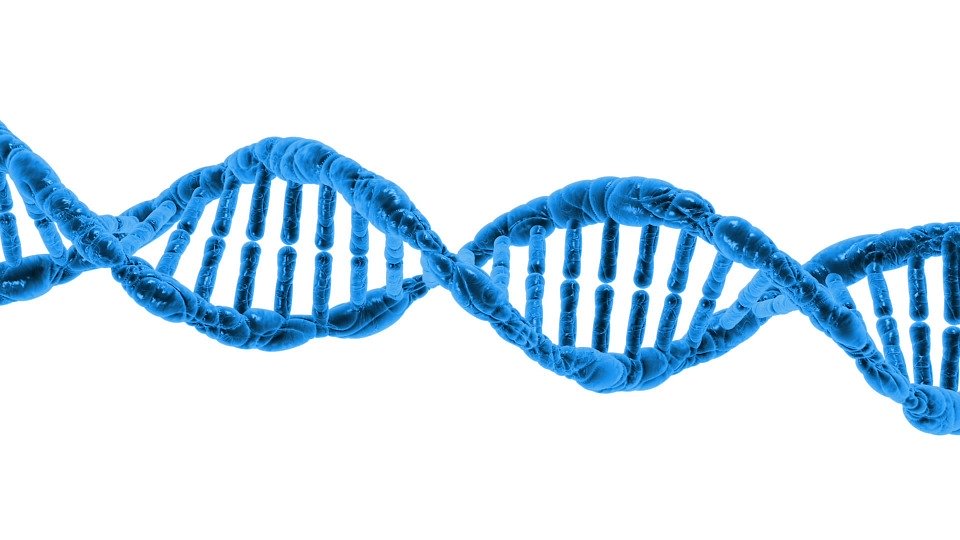
Genetic tests are conducted to identify changes in genes that parents pass to their children. In some instances, it is conducted to establish whether someone is susceptible to specific diseases. It involves analyzing the structure of the DNA. DNA is the genetic material found in the cells. There are different methods of testing DNA structures. Reliable and fast testing methods allow continuous therapy monitoring and early diagnosis. This post is going to discuss the different types of genetic tests and the benefits of genetic testing.
Reasons for Carrying Out a Genetic Test

The results obtained from a genetic test have a significant effect on a person’s life. For instance, a doctor can use these results to decide the most appropriate options for screening, prevention, and treatment of a certain illness. People are advised to seek genetic counseling before proceeding for such tests. Ideally, you should understand the implication of genetic test results on your family members. A genetic counselor can help you understand which options are beneficial for your relatives.
Types of Genetic or DNA Tests
Diagnostic Test
This test is performed to rule out or identify mutations associated with various symptoms. Clinicians use this test to determine the most suitable support and therapy for patients suffering from various illnesses and to confirm disease diagnosis.
Carrier Testing
A carrier test is relevant for individuals who carry mutations but aren’t affected by those mutations. In general, this test is carried out to minimize the risk for the kids sired by parents carrying the mutation.
Prenatal Testing
Parents who are planning to get children are advised to go for a prenatal test. This test is important for individuals living in families with genetic disorders. A prenatal test can either be non-invasive or invasive.
Predictive Testing
The predictive test is performed on asymptomatic patients. These are patients who don’t show any signs of diseases that they are suffering from. It has been found that some of these patients might be carrying a mutation or can develop some symptoms later in life.
Advantages of Genetic Testing
Lessens Uncertainty
Are you worried about the health of your children or future ailments? A genetic test can help you determine if there is a family member who is at risk of developing certain illnesses. Knowing that you don’t have a mutation can ease anxiety about developing certain health conditions
It offers Insight
Some diseases like cancer are caused by mutations. Understanding the DNA sequence can help you in finding out if there are disruptions/interruptions. Early detection and good surveillance can save the life of a patient having hereditary cancer. Health care practitioners can also use the results of a genetic test to find the most suitable treatment option for a patient.